All Categories
Featured
Table of Contents
Fats are one of the most concentrated kind of food energy, providing your pet with even more than two times the power of healthy proteins or carbohydrates. Fats are crucial in the framework of cells, required for the production of some hormones, and are needed for absorption and application of specific vitamins. Fats also offer insulation and protection for internal body organs.
Carbohydrates provide energy, play a vital duty in the wellness of the intestinal tract, and are necessary for reproduction. While there is no minimal carbohydrate demand, there is a minimal sugar demand needed to provide energy to essential body organs such as the brain. Fibers are type of carbohydrates that alter the microbial populace in the little intestine, which can aid take care of chronic looseness of the bowels in pets.
8 Easy Facts About Pets Aren't People: Diet Trends Can Put Animals' Health At Risk Shown
The majority of vitamins can not be manufactured in the body, and consequently are vital to acquire in the diet plan. Please note that when feeding your pet dog a total and well balanced diet plan, it is unnecessary to offer a vitamin supplement unless a specific vitamin deficiency is identified by a vet. As a result of over supplementation, poisoning due to excess vitamins (hypervitaminosis) is more common nowadays than vitamin deficiency (hypovitaminosis).
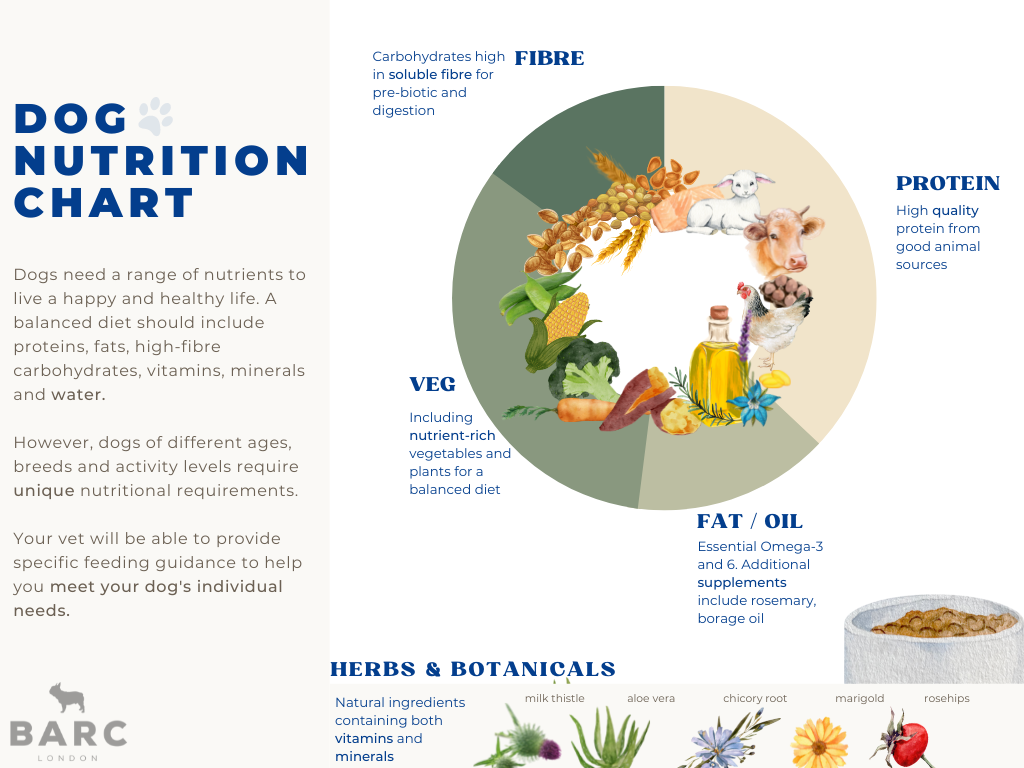
Excess vitamin D may result in extremely dense bones, soft cells calcification and kidney failing. Minerals are nutrients that can not be manufactured by pets and should be offered in the diet plan. Generally, minerals are crucial as architectural components of bones and teeth, for preserving fluid balance and for their participation in several metabolic reactions.
The Facts About Diet And Nutrition For Dogs - Dogs Trust Revealed
This procedure of progressively lowering a pup's dependency on his mommy's milk, referred to as weaning, must normally begin in between 3 and 4 weeks old and is preferably entirely by the time the young puppy is seven to 8 weeks. Pups receive full nourishment from their mother's milk for the initial 4 weeks of life, so there is no demand to feed them anything during that time.
If you discover yourself in this situation, contact your vet for item and feeding recommendations. After that time, it's ideal to let discouraging be a steady process that occurs over several weeks. This permits the mom dog to gradually run out her milk supply and puppies require time to discover essential habits from their mom and littermates, consisting of how to interpret signs of prominence, prevent their very own attacking behaviors and submit to even more dominant canines.

Start by dividing the mother from her litter for a couple of hours each time. This time apart will minimize the dogs' dependency on their mom's milk and overall presence. While separated, introduce the pups to consuming from a pan. The quantity of food, the frequency and size of separation can progressively be enhanced.
A pampered small dog may require just 10% of that, while an active pet who works out routinely outdoors may need maintenance plus 20 to 40%. You might require to adjust sections as you discover your canine's optimal "upkeep" amount. Pet dog proprietors need to always seek advice from with their pet's veterinarian to identify the most effective feeding routine and kinds of foods for their animals.
The Best Guide To [Pdf] Healthy And Low-calorie Snacks For Pets - Aaha
Be certain to inspect with your vet on your pet's post-opt nutritional demands. Treats must be provided in small amounts and represent 5 percent or less of the pet dog's day-to-day food consumption.

Latest Posts
About How Ai Automation For Small Businesses Works
The 9-Minute Rule for Improve Sales Techniques - Startupnation
5 Proven Veterinary Marketing Strategies That Work - 3bug Media - Questions